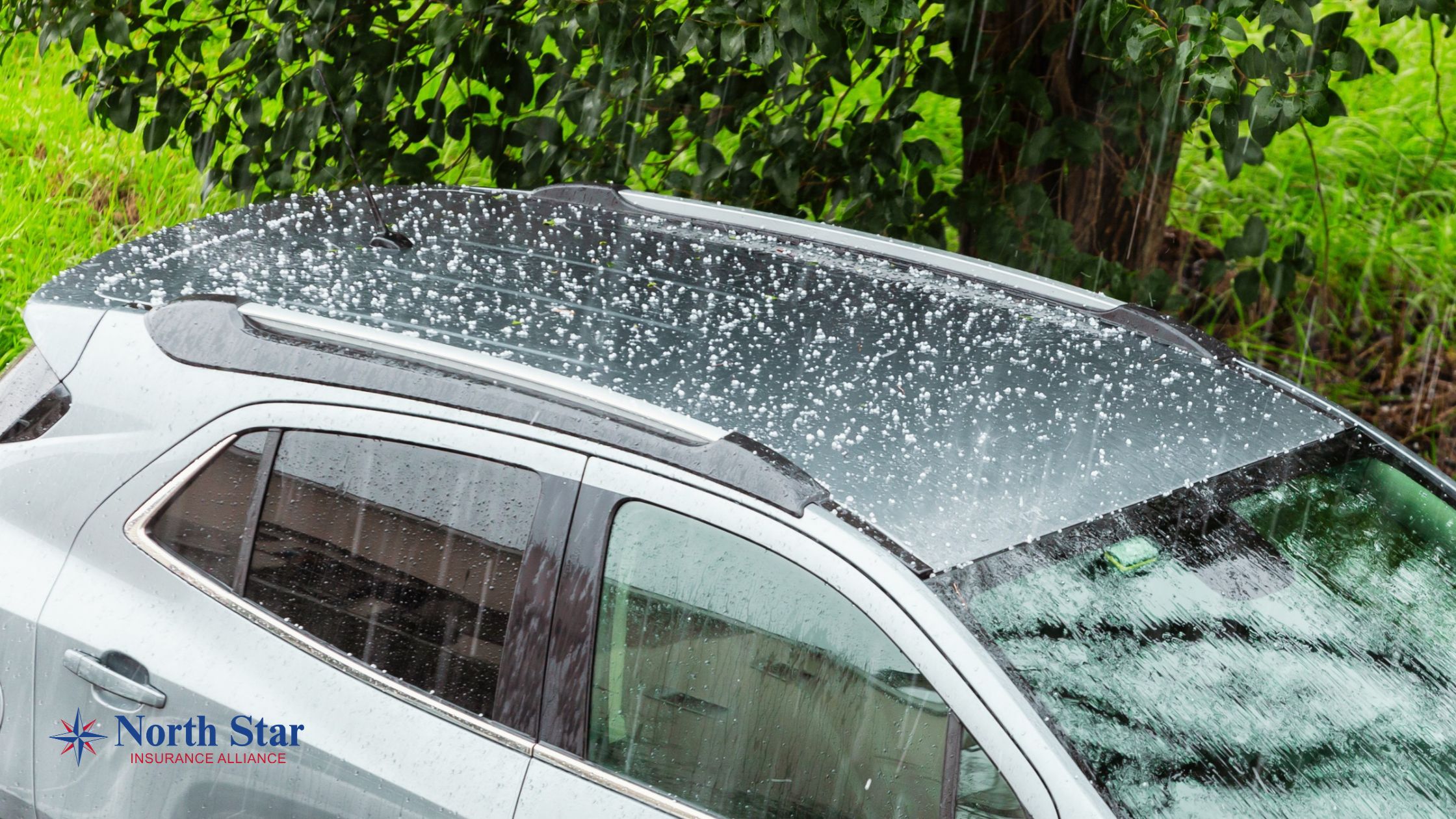
Missouri weather can change quickly. A sunny afternoon can turn into a severe storm, bringing hail, high winds, falling branches, or other hazards that can damage your vehicle. If your car is damaged during a storm, you may wonder whether your auto insurance will help pay for repairs.
For many Missouri drivers, the answer is yes, if the vehicle has comprehensive coverage.
Understanding how comprehensive auto insurance policies in Missouri typically respond to hail and storm damage can help you make informed decisions about your coverage and avoid surprises when you need to file a claim.
Does Comprehensive Auto Insurance Cover Hail Damage?
Generally, comprehensive auto insurance covers physical damage to your vehicle caused by events other than a collision. Hail is one of the commonly covered causes of loss under comprehensive coverage.
The National Association of Insurance Commissioners identifies hail and windstorm among the types of damage generally covered by comprehensive auto insurance. Missouri's Department of Commerce & Insurance also lists comprehensive coverage as protection against vehicle damage caused by hail, flood, fire, theft, vandalism, and animals.
For example, if a severe thunderstorm leaves dents across your vehicle's hood, roof, or trunk, comprehensive coverage may help pay for covered repairs after your deductible.
What Other Storm Damage May Be Covered?
Hail isn't the only weather-related risk that comprehensive coverage may address.
Depending on the terms of your policy, comprehensive coverage may help with damage caused by:
- Windstorms
- Falling trees or branches
- Flooding
- Severe weather debris
- Fire caused by a covered event
- Other non-collision events listed in the policy
The exact coverage depends on your individual policy, including its exclusions, conditions, limits, and deductible. Missouri's Department of Commerce & Insurance recommends reviewing your policy and asking your agent about any provisions you don't understand.
Comprehensive vs. Collision: Why the Difference Matters
One common misunderstanding is assuming that comprehensive and collision insurance cover the same types of vehicle damage.
They don't.
Comprehensive coverage generally applies to damage from non-collision events such as hail, windstorm, theft, vandalism, fire, flood, or animal strikes.
Collision coverage generally applies when your vehicle is damaged in a collision with another vehicle or object.
For example, if hail dents your car while it is parked in your driveway, comprehensive coverage may apply. If you lose control while driving during a storm and hit a tree, the resulting collision damage would generally fall under collision coverage, subject to the policy terms.
Having both coverages is commonly referred to as carrying “full coverage,” although “full coverage” is not a standardized insurance term and does not mean every possible loss is covered.
What About Your Comprehensive Deductible?
If your vehicle sustains hail or storm damage covered by your policy, your comprehensive deductible generally applies.
For example, suppose repairs cost $4,000, and your comprehensive deductible is $500. If the loss is covered under your policy, you would generally be responsible for the deductible, with the insurer paying the covered amount above it.
Before choosing a deductible, consider what you could comfortably pay out of pocket after a storm. A lower deductible can mean higher premiums, while a higher deductible can reduce the premium but leave you with more out-of-pocket expense after a covered loss.
Your declarations page should show the deductible for your comprehensive coverage.
What If a Tree Falls on Your Car?
Missouri storms can bring high winds that cause trees and branches to fall onto parked vehicles.
If a tree or large branch damages your vehicle, comprehensive coverage may apply because the damage resulted from a non-collision event. The specific circumstances and policy language matter, so it's important to review your coverage rather than assume every storm-related loss is automatically covered.
Also remember that liability insurance generally does not cover damage to your own vehicle. Missouri requires drivers to carry liability insurance, but comprehensive coverage is optional unless required by a lender or other contract.
What Should You Do After Hail or Storm Damage?
If a storm damages your vehicle, start by documenting the damage. Take photographs from multiple angles and keep records of any temporary measures or expenses.
Contact your insurance agent or carrier to discuss the claims process. Missouri's Department of Commerce & Insurance advises consumers affected by severe weather to contact their insurance company or agent as soon as possible and, when appropriate, make reasonable temporary repairs to prevent additional damage.
Avoid authorizing permanent repairs before your insurer has had an opportunity to inspect the damage if an inspection is required.
Review Your Comprehensive Auto Insurance Before Storm Season
Severe weather is a fact of life for Missouri drivers, but understanding your insurance coverage can make dealing with vehicle damage less stressful.
If you're unsure whether your current policy includes comprehensive coverage, what deductible applies, or whether your protection still fits your vehicle and financial situation, a coverage review can help.
At North Star Insurance Alliance, we believe insurance should be about more than having a policy in a file. Our team helps Missouri drivers understand their auto insurance coverage, identify potential gaps, and make informed decisions based on their individual needs.
Have questions about comprehensive auto insurance in Missouri?
Call us today at (314) 579-3278 to review your coverage and discuss your options. Let us help you find your North Star in insurance before the next storm arrives.
Frequently Asked Questions (FAQs)
Does comprehensive insurance cover hail damage to a car?
Generally, yes. Hail damage is typically covered under comprehensive auto insurance, subject to the policy's terms, exclusions, and deductible.
Does comprehensive insurance cover damage from falling trees?
It may. Damage caused by a falling tree or branch is generally considered a non-collision loss and may be covered by comprehensive insurance, depending on the policy.
Is comprehensive auto insurance required in Missouri?
No. Missouri requires automobile liability insurance, while comprehensive coverage is generally optional. However, a lender may require comprehensive and collision coverage when you finance or lease a vehicle.
Will my insurance pay for hail damage if I don't have comprehensive coverage?
Generally, no. Liability coverage is designed primarily to cover injuries or property damage you cause to others. Damage to your own vehicle from hail typically requires comprehensive coverage.