Missouri law doesn't require collision coverage, so on a paid-off older car, keeping it is your call. The deciding factors are what your car is worth today, what the coverage costs each year, your deductible, and whether you could replace the car out of pocket if it were totaled tomorrow. For some drivers, dropping it saves real money. For others, collision coverage in Missouri is still one of the smarter parts of the policy.
What Missouri Requires and What It Doesn't
Every Missouri driver must carry liability coverage of at least $25,000 per person and $50,000 per accident for bodily injury, $25,000 for property damage, and uninsured motorist coverage of $25,000 per person and $50,000 per accident for bodily injury, according to the Missouri Department of Revenue.
Collision isn't on that list. The Missouri Department of Commerce and Insurance describes collision as coverage for damage caused by the collision of your car “regardless of who is responsible,” usually with a deductible. It's optional under state law, but if you finance or lease, your lender can require it to protect its interest in the vehicle. Once the loan is paid off, the choice goes back to you.
How Collision Pays Out on an Older Car
This is the part that changes the math as a car ages. Collision generally pays to repair your car or, if it's totaled, pays its actual cash value (what the car was worth right before the crash), minus your deductible. It doesn't pay what you originally spent or what it would cost to buy a newer car.
So if your 12-year-old sedan is worth $4,000 and you carry a $1,000 deductible, the most you'd likely collect after a total loss is about $3,000. As the car loses value each year, that ceiling keeps dropping while the premium may not drop as fast.
Value disputes also come up with older vehicles. The Missouri DCI's auto insurance FAQs note that sources such as book value and dealer quotes can be considered, and that similar vehicles available in the market are the most accurate way to settle a disagreement.
A Simple Rule of Thumb to Start With
The Insurance Information Institute suggests considering dropping collision and/or comprehensive on older cars, and puts it this way: “If your car is worth less than 10 times the premium, purchasing the coverage may not be cost effective.”
Here's a quick illustration with hypothetical numbers:
- Car value: $5,000
- Annual collision premium: $600
- Ten times the premium: $6,000
Because the car is worth less than $6,000, this driver is in the range where collision may not pay off. Your actual premium depends on your carrier, driving record, ZIP code, and deductible, so plug in your own numbers from your declarations page.
Treat the rule as a starting point, not a final answer. The questions below matter just as much.
When It Can Make Sense to Keep Collision
- You couldn't easily replace the car. If losing the car would leave you without a way to get to work and no savings to buy another, keeping collision can be worth the cost even when the math is close.
- You drive a lot or commute in heavy traffic. More miles mean more exposure. Daily drives on I-64, I-270, or I-44 around St. Louis carry a different risk than a car that sits in the garage most of the week.
- You're worried about uninsured drivers. The Insurance Research Council estimated that 20.7% of Missouri drivers were uninsured in 2023, the sixth-highest rate in the country (Triple-I). Missouri's required uninsured motorist coverage applies to bodily injury, not damage to your car. If an uninsured driver hits you, collision is often what pays to fix your vehicle, less your deductible.
- The car is worth more than its age suggests. Some well-kept trucks and SUVs hold value longer than expected. Check a current valuation before assuming the car isn't worth insuring.
When Dropping Collision May Be Reasonable
- The car's value is low compared with your annual premium and deductible.
- You have enough savings to repair or replace the car without hardship.
- The car is a second or backup vehicle that's rarely driven.
- You've already raised the deductible and the premium still feels out of proportion.
Before you drop it entirely, try raising your deductible. A higher deductible can lower the premium while still protecting you against a total loss.
Don't Confuse Collision with Comprehensive
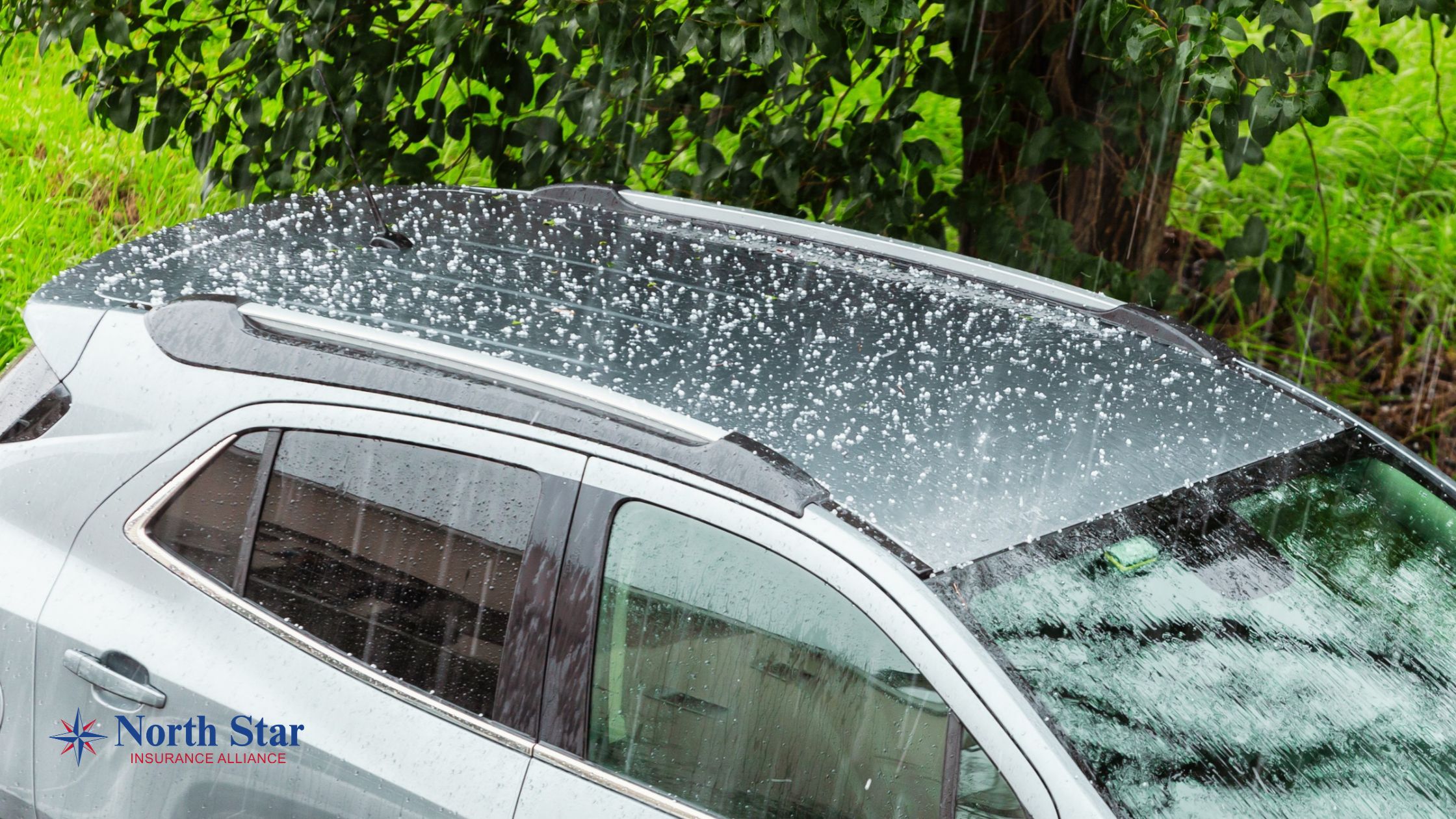
This matters a lot in Missouri, especially heading into fall. Hitting a deer is typically a comprehensive claim, not collision. The Missouri DCI lists “birds and animals” among the risks comprehensive covers, along with hail, theft, vandalism, windstorm, and glass breakage. MoDOT reported 2,952 deer-related crashes in Missouri in 2024 and notes that October and November are peak months for deer movement.
Comprehensive is usually less expensive than collision, so some owners of older cars drop collision but keep comprehensive for hail and deer. Just know the two are separate decisions, and you'll want to price each one.
Get a Second Opinion on Your Auto Policy
Deciding whether collision coverage in Missouri still makes sense for your car is easier with real numbers in front of you. At North Star Insurance Alliance, we can compare your car's current value against what you're paying, run quotes with different deductibles, and help you decide whether to keep collision, adjust it, or drop it. If your life has changed recently, our post on when to update your auto insurance policy is a helpful companion read.
Call us directly at (314) 579-3278 or contact us today to request your free coverage review. Let our team help you find your North Star in insurance with honest guidance built around the way you drive.
Frequently Asked Questions (FAQs)
Is collision coverage required in Missouri?
No. Missouri requires liability and uninsured motorist bodily injury coverage, but collision is optional under state law. A lender or leasing company can require it while you're making payments on the car.
At what point should I drop collision on an older car?
A common guideline from the Insurance Information Institute is to consider dropping it when the car is worth less than 10 times the annual premium. Also factor in your deductible, your savings, and how much you rely on the car.
Does collision coverage pay for hitting a deer in Missouri?
Usually not. Animal strikes are typically covered under comprehensive coverage. If you drop comprehensive along with collision, deer damage would generally come out of your pocket.
What does collision pay if my older car is totaled?
It generally pays the car's actual cash value right before the accident, minus your deductible, not the cost of a newer replacement vehicle.